Analysis Results
The AI selected the most likely locations based on the image, visible details, and contextual clues.
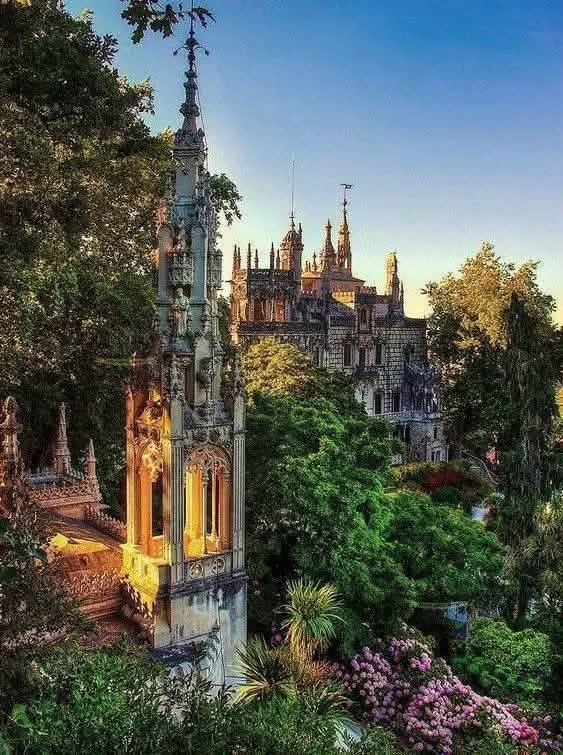
The image shows a Gothic Revival style tower with intricate stonework and spires, surrounded by dense greenery and flowering plants. The architectural style and garden setting strongly resemble Quinta da Regaleira, a famous UNESCO World Heritage site in Sintra, Portugal, known for its romantic and eclectic architecture and lush gardens.
The lighting and vegetation are consistent with the Mediterranean climate of the Lisbon region. The image could be confused with Pena Palace, another famous landmark in Sintra with Gothic Revival and Romantic architecture surrounded by lush gardens.
However, the specific tower design and garden layout are less consistent with Pena Palace than with Quinta da Regaleira. The Gothic Revival style and garden setting could also match Strawberry Hill House in London, a notable example of Gothic Revival architecture.
However, the vegetation and lighting suggest a warmer climate than London, making this a less likely match.
The image could be confused with Pena Palace, another famous landmark in Sintra with Gothic Revival and Romantic architecture surrounded by lush gardens. However, the specific tower design and garden layout are less consistent with Pena Palace than with Quinta da Regaleira.
The Gothic Revival style and garden setting could also match Strawberry Hill House in London, a notable example of Gothic Revival architecture. However, the vegetation and lighting suggest a warmer climate than London, making this a less likely match.
🗺 On the map
 высокая уверенность
•
высокая уверенность
•
 средняя
•
средняя
•
 низкая
How the AI made its decision
Environment
hilly garden terrain • dense trees, flowering shrubs • Mediterranean • dense trees, Mediterranean shrubs • flat garden terrain • deciduous trees, garden shrubs • temperate maritime
Infrastructure
none visible • Gothic Revival ornate stone tower with spires • Gothic Revival and Romantic palace architecture • Gothic Revival villa
Visible text and signs
UNESCO
Context and culture
none visible