Resultados da analise
A IA selecionou os locais mais provaveis com base na imagem, detalhes visiveis e contexto.
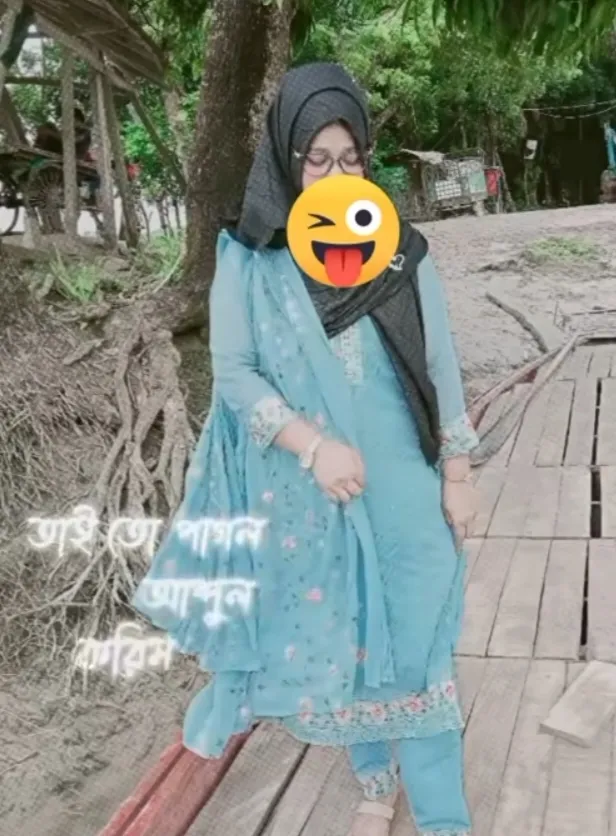
The text on the image is in Bengali script, which is primarily used in Bangladesh and the Indian state of West Bengal. The woman's attire is typical of South Asian fashion, particularly in Bangladesh.
The environment shows a wooden walkway and greenery, consistent with rural or semi-urban areas in Bangladesh. The lack of distinct landmarks limits precision to city level, but Dhaka is the most probable urban center given the cultural and linguistic cues.
The Bengali script is also used in Kolkata, West Bengal, India. The rural environment with wooden walkways and greenery could be outskirts or rural areas near Kolkata.
The attire and script match the cultural context of this region. However, the lack of urban infrastructure visible reduces confidence compared to Dhaka.
Rajshahi district in Bangladesh is a rural area where Bengali is the primary language and traditional attire is common. The wooden walkway and natural environment fit rural Bangladesh.
This is a less urbanized alternative to Dhaka with similar cultural markers but less infrastructure visible.
The Bengali script is also used in Kolkata, West Bengal, India. The rural environment with wooden walkways and greenery could be outskirts or rural areas near Kolkata. The attire and script match the cultural context of this region. However, the lack of urban infrastructure visible reduces confidence compared to Dhaka.
Rajshahi district in Bangladesh is a rural area where Bengali is the primary language and traditional attire is common. The wooden walkway and natural environment fit rural Bangladesh. This is a less urbanized alternative to Dhaka with similar cultural markers but less infrastructure visible.
🗺 No mapa
 высокая уверенность
•
высокая уверенность
•
 средняя
•
средняя
•
 низкая
Como a IA tomou a decisao
Ambiente
wooden walkway, dirt ground • dense green trees • humid subtropical
Infraestrutura
none visible • rustic wooden structures
Texto visivel e placas
অই তো পানে আসান শাবিম
Contexto e cultura
none visible