Resultats d analyse
L IA a selectionne les lieux les plus probables selon l image, les details visibles et les indices contextuels.
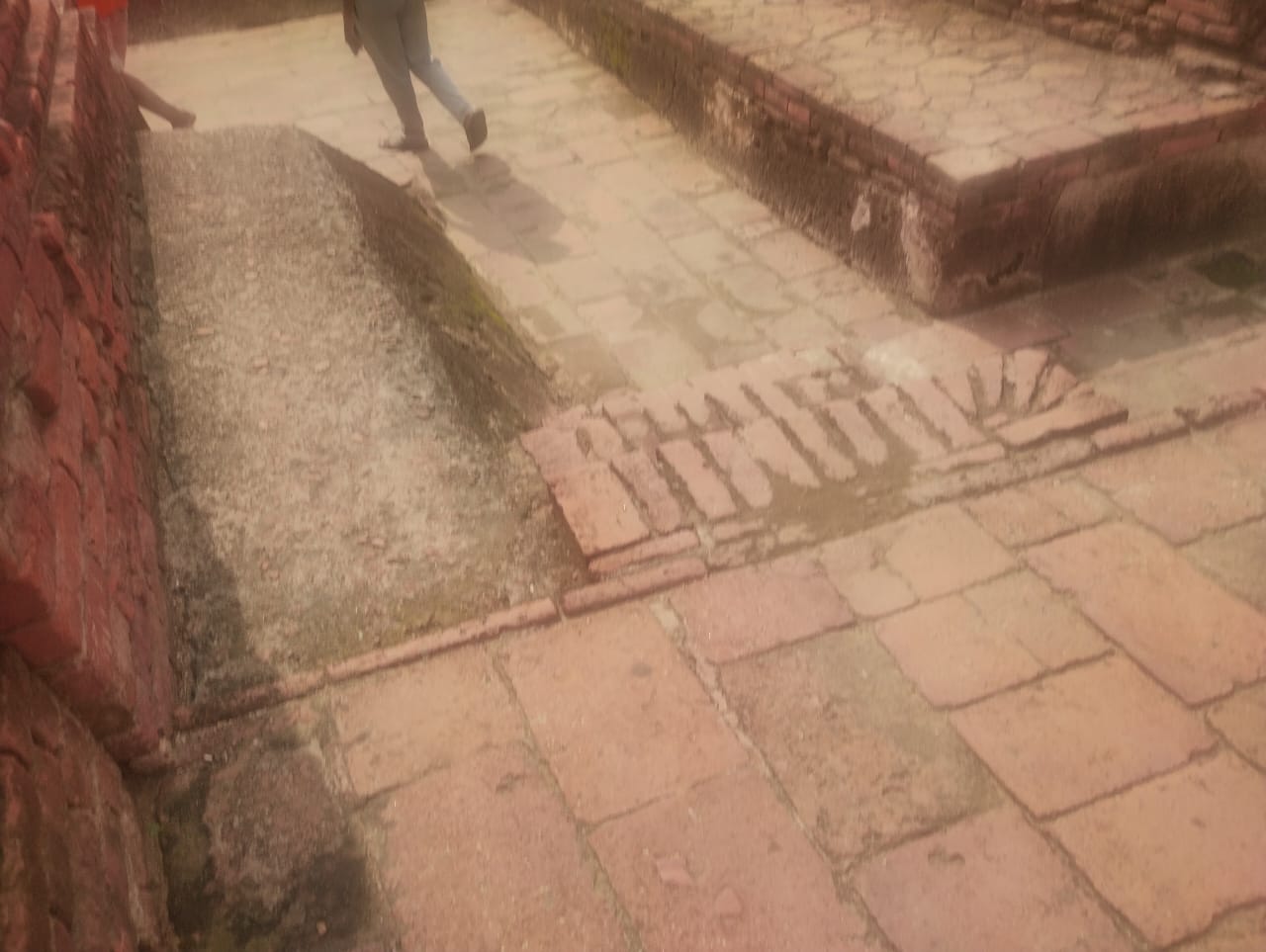
The red brick ruins with stepped platforms and rectangular foundations strongly resemble the Nalanda University ruins in Bihar, India. The style of brickwork and layout matches known images of Nalanda, a UNESCO World Heritage Site.
The climate and vegetation visible (green trees, bright sky) fit the subtropical climate of Bihar. Tourist presence and attire also align with this location.
Bishnupur in West Bengal has ancient red brick ruins and temples with similar architectural features. The climate and vegetation are consistent with eastern India.
However, the exact layout and style are less precisely matching than Nalanda, so confidence is lower. Sarnath and Mathura have archaeological sites with red brick ruins and stepped platforms.
The climate and vegetation fit northern India. However, the brickwork and layout are less distinctive compared to Nalanda, so confidence is moderate.
Bishnupur in West Bengal has ancient red brick ruins and temples with similar architectural features. The climate and vegetation are consistent with eastern India. However, the exact layout and style are less precisely matching than Nalanda, so confidence is lower.
Sarnath and Mathura have archaeological sites with red brick ruins and stepped platforms. The climate and vegetation fit northern India. However, the brickwork and layout are less distinctive compared to Nalanda, so confidence is moderate.
🗺 Sur la carte
 высокая уверенность
•
высокая уверенность
•
 средняя
•
средняя
•
 низкая
Comment l IA a pris sa decision
Environnement
Flat archaeological site with paved brick floors • Green leafy trees in background • Subtropical, warm and sunny • Flat terrain with open archaeological sites • Green trees • Subtropical • Flat archaeological site • Trees visible
Infrastructure
None visible, paved brick floors • None visible • Ancient red brick ruins with stepped platforms and rectangular foundations • Ancient red brick ruins
Texte visible et panneaux
UNESCO
Contexte et culture
None visible