Resultats d analyse
L IA a selectionne les lieux les plus probables selon l image, les details visibles et les indices contextuels.
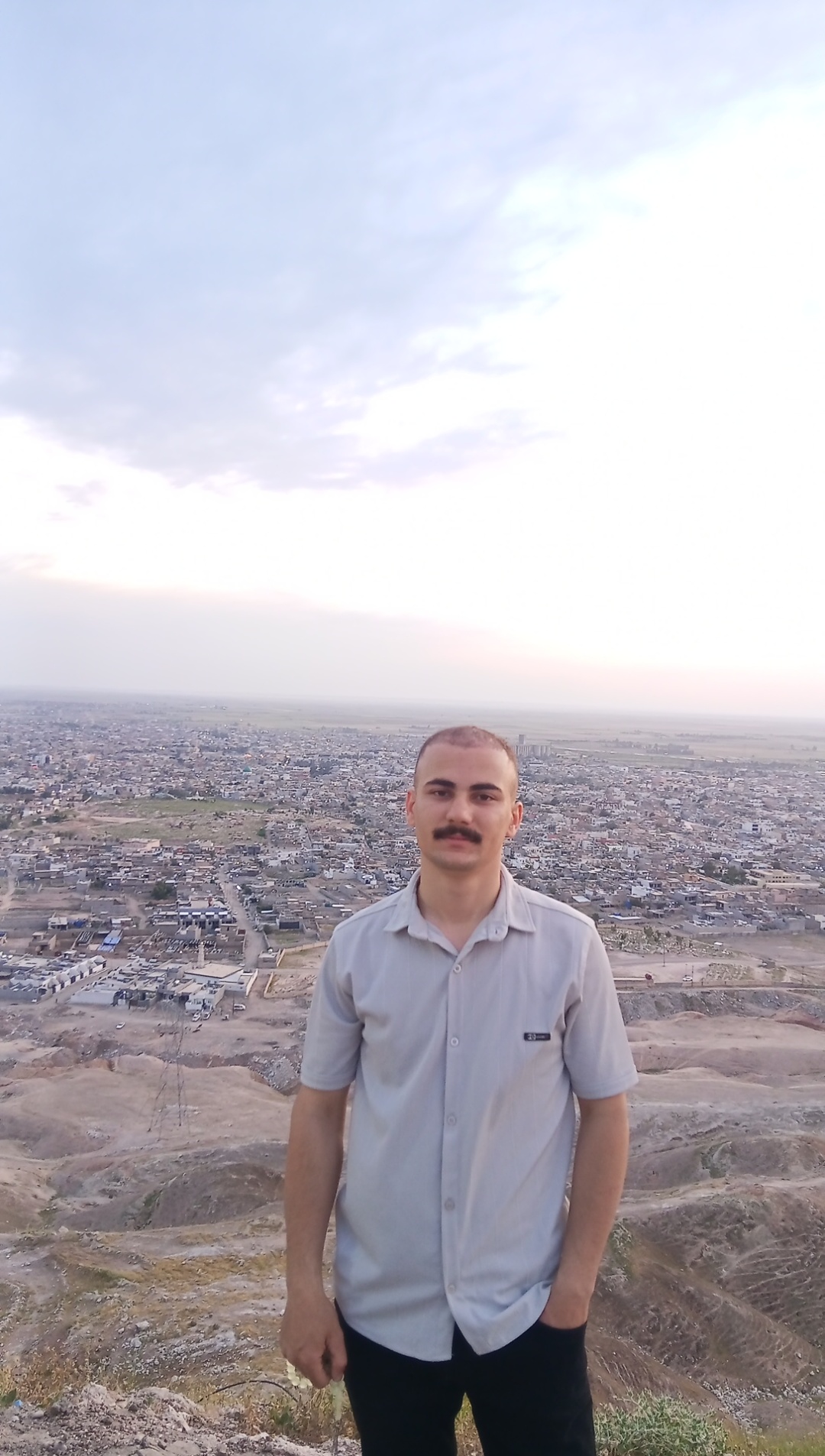
The image displays a vast urban sprawl from an elevated position on a hill. The architecture consists predominantly of low-rise, flat-roofed buildings, typical of cities in the Middle East, particularly Iraq.
The surrounding landscape is arid and hilly, with sparse vegetation, consistent with the geography of northern Iraq. A key identifying feature is the presence of large, cylindrical grain silos visible on the distant horizon, beyond the city limits.
This specific combination of a large, ancient city, arid hills providing a panoramic viewpoint, and prominent grain silos strongly points to Mosul, Iraq. The viewpoint appears to be from Nabi Yunus Hill (also known as Jonah's Tomb hill), which offers commanding views over the eastern parts of Mosul.
From this hill, looking towards the north-northeast, the city's dense urban fabric and the distant grain silos align perfectly with the visual evidence in the image. The landscape shows an arid, semi-desert environment with hills and a sprawling city of low-rise buildings, typical of northern Iraq.
The terrain and urban pattern match Mosul, a large city on flat plains with surrounding hills. The lighting and vegetation suggest a dry climate consistent with northern Iraq.
The lack of tall modern buildings and the style of construction also align with Mosul's urban fabric. No specific landmark is visible to pinpoint exact street or POI, so city-level precision is given.
Diyarbakır, located in southeastern Turkey, shares some similarities with the image. It is a large, ancient city with a similar architectural style (flat-roofed buildings, dense urban fabric) and is situated in a region with a semi-arid climate and some surrounding hills.
However, the specific layout of the city from a panoramic viewpoint and the exact configuration of distant industrial structures like the grain silos do not match as precisely as Mosul. While plausible, it lacks the strong landmark correlation.
Kirkuk, another major city in northern Iraq, presents a similar environmental context with arid landscapes and a sprawling urban area. The general architectural style is also consistent with the region.
However, the specific arrangement of hills, the city's layout, and the presence and location of prominent industrial structures like the grain silos do not align as perfectly as with Mosul. While it shares regional characteristics, the unique combination of features in the image is less precisely matched by Kirkuk.
The landscape shows an arid, semi-desert environment with hills and a sprawling city of low-rise buildings, typical of northern Iraq. The terrain and urban pattern match Mosul, a large city on flat plains with surrounding hills. The lighting and vegetation suggest a dry climate consistent with northern Iraq. The lack of tall modern buildings and the style of construction also align with Mosul's urban fabric. No specific landmark is visible to pinpoint exact street or POI, so city-level precision is given.
Diyarbakır, located in southeastern Turkey, shares some similarities with the image. It is a large, ancient city with a similar architectural style (flat-roofed buildings, dense urban fabric) and is situated in a region with a semi-arid climate and some surrounding hills. However, the specific layout of the city from a panoramic viewpoint and the exact configuration of distant industrial structures like the grain silos do not match as precisely as Mosul. While plausible, it lacks the strong landmark correlation.
Kirkuk, another major city in northern Iraq, presents a similar environmental context with arid landscapes and a sprawling urban area. The general architectural style is also consistent with the region. However, the specific arrangement of hills, the city's layout, and the presence and location of prominent industrial structures like the grain silos do not align as perfectly as with Mosul. While it shares regional characteristics, the unique combination of features in the image is less precisely matched by Kirkuk.
🗺 Sur la carte
 высокая уверенность
•
высокая уверенность
•
 средняя
•
средняя
•
 низкая
Comment l IA a pris sa decision
Environnement
Hilly, arid, urban sprawl • Sparse scrub, dry grasses • Semi-arid, dusty/hazy sky • arid hills and flat plains • sparse, dry grass • semi-arid, dry • Urban, some hills, semi-arid • Sparse to moderate • Semi-arid • Urban, arid, some elevated areas • Sparse
Infrastructure
Not visible • Dense, low-rise, flat-roofed residential buildings, some taller structures in the distance, green dome (likely mosque) visible. • not clearly visible • none visible • low-rise, dense, flat-roofed buildings • Dense, low-rise, flat-roofed buildings • Dense, low-rise buildings
Texte visible et panneaux
L IA n a detecte aucun texte lisible ou signalisation.
Contexte et culture
None clearly visible • Not visible • none visible