Resultados del análisis
La IA seleccionó las ubicaciones más probables según la imagen, los detalles visibles y las pistas contextuales.
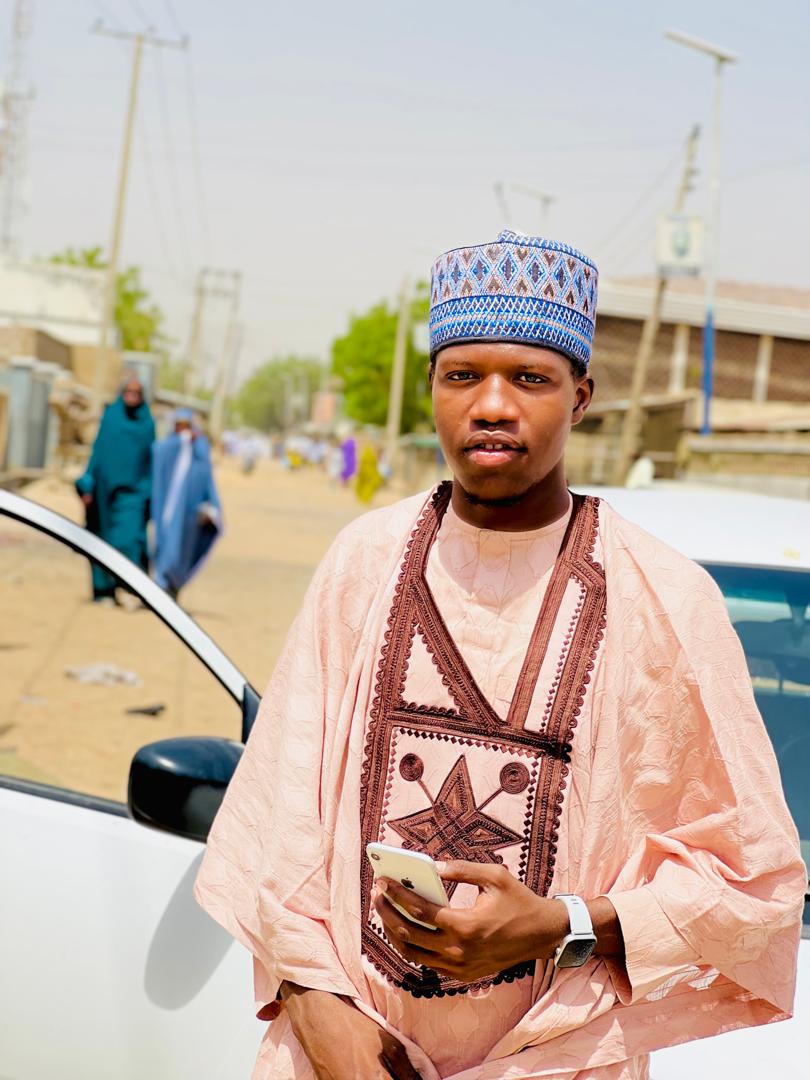
The man's attire is typical of Hausa-Fulani culture in Northern Nigeria, especially the embroidered Kaftan and the traditional cap. The dusty, unpaved street and the style of buildings and power lines are consistent with urban areas in Kano, a major city in Northern Nigeria.
The presence of women in hijabs also aligns with the cultural and religious practices in Kano. This is a strong regional and city-level match.
The cultural attire and environment are consistent with Maiduguri, another major city in Northeastern Nigeria with Hausa-Fulani population and similar climate and urban conditions. However, less direct evidence compared to Kano.
The attire and environment could also be found in other Northern Nigerian towns or cities with Hausa-Fulani populations, but without more specific landmarks or signage, precision is limited to regional level.
The cultural attire and environment are consistent with Maiduguri, another major city in Northeastern Nigeria with Hausa-Fulani population and similar climate and urban conditions. However, less direct evidence compared to Kano.
The attire and environment could also be found in other Northern Nigerian towns or cities with Hausa-Fulani populations, but without more specific landmarks or signage, precision is limited to regional level.
🗺 En el mapa
 высокая уверенность
•
высокая уверенность
•
 средняя
•
средняя
•
 низкая
Cómo llegó la IA a esta conclusión
Entorno
dusty, unpaved street • few trees visible in distance • hot, dry, sunny • dry, dusty urban area • sparse • hot, dry • dry, dusty • scattered trees • hot, semi-arid
Infraestructura
none, dirt road • none visible • simple, low-rise buildings, typical West African urban • none • low-rise, simple buildings • simple, low-rise
Texto y señales visibles
La IA no detectó texto legible o señales en la imagen.
Contexto y cultura
car door visible, typical sedan • not visible • sedan