Результаты анализа
ИИ выбрал наиболее вероятные локации на основе изображения, видимых деталей и контекстных признаков.
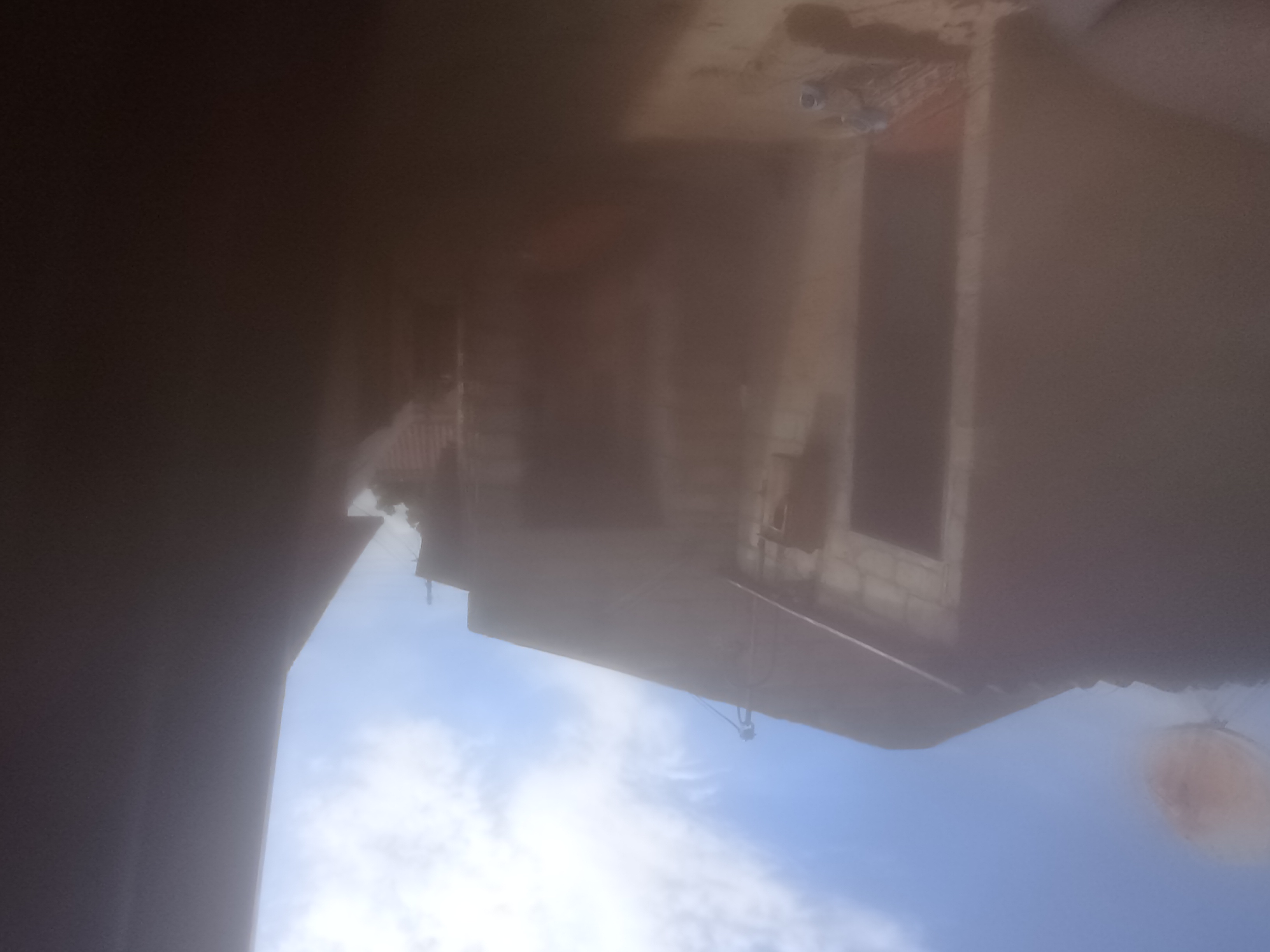
The visual evidence, particularly the mix of building materials (unplastered concrete blocks, red brick, painted stucco), corrugated iron roofs, robust metal gates, and windows with burglar bars, is highly characteristic of residential areas, specifically townships, in South Africa. The unfinished red brick building with the jagged roofline in Image 2 is a very common sight in such areas.
The dirt paths and sparse vegetation further support this. The satellite dishes are also common in South African households.
The buildings show a mix of unfinished brickwork and adobe-style walls, common in Lusaka's suburban or peri-urban residential areas. The presence of a satellite dish and the style of fencing also match typical Zambian urban housing.
The sandy ground and vegetation suggest a tropical savanna climate consistent with Lusaka. The house number style and the general infrastructure align with Zambian urban residential patterns.
While the specific style is most prominent in South Africa, many elements like the use of unplastered bricks, red bricks, and corrugated iron roofs are also very common in high-density residential areas and informal settlements around cities like Harare in Zimbabwe. The general economic conditions and building practices lead to similar appearances.
The architectural elements, particularly the unplastered block structures and the general appearance of a developing residential area with dirt roads, are also present in some informal settlements or older high-density areas in Botswana, such as Old Naledi in Gaborone. However, the specific red brick style in Image 2 feels more distinctly South African or Zimbabwean.
The buildings show a mix of unfinished brickwork and adobe-style walls, common in Lusaka's suburban or peri-urban residential areas. The presence of a satellite dish and the style of fencing also match typical Zambian urban housing. The sandy ground and vegetation suggest a tropical savanna climate consistent with Lusaka. The house number style and the general infrastructure align with Zambian urban residential patterns.
While the specific style is most prominent in South Africa, many elements like the use of unplastered bricks, red bricks, and corrugated iron roofs are also very common in high-density residential areas and informal settlements around cities like Harare in Zimbabwe. The general economic conditions and building practices lead to similar appearances.
The architectural elements, particularly the unplastered block structures and the general appearance of a developing residential area with dirt roads, are also present in some informal settlements or older high-density areas in Botswana, such as Old Naledi in Gaborone. However, the specific red brick style in Image 2 feels more distinctly South African or Zimbabwean.
🗺 На карте
 высокая уверенность
•
высокая уверенность
•
 средняя
•
средняя
•
 низкая
Как ИИ сделал вывод
Окружение
Flat, dirt ground • Sparse grass, some small trees/bushes • Warm, sunny, possibly semi-arid • flat, sandy soil • sparse grass and small plants • tropical savanna
Инфраструктура
None visible (dirt roads) • None readable • Mix of unplastered concrete block, red brick, painted stucco, corrugated iron roofs, metal gates, burglar bars • none visible • house number plate visible (3525) • brick and adobe walls, corrugated metal roofing, satellite dish
Текст и таблички
Unreadable text on white box (Image 3)
Контекст и культура
Partial view of a blue car (Image 3) • Not visible • car (partial view)